Amazon is revolutionizing the streaming experience by integrating seamless e-commerce capabilities directly into Prime Video.

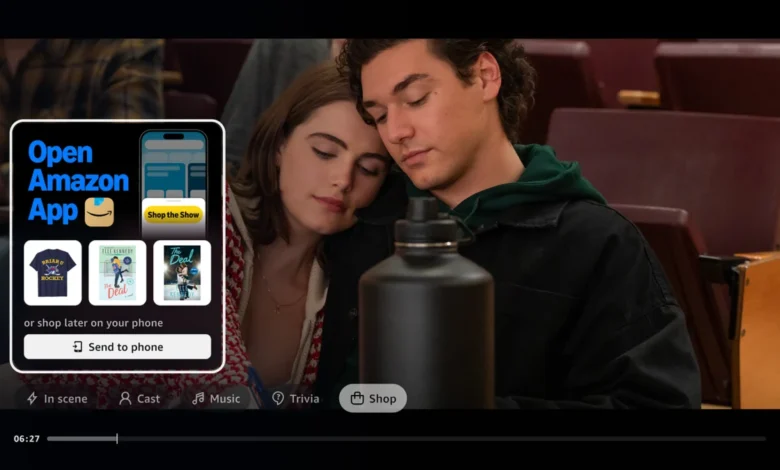
The retail giant has officially unveiled a suite of sophisticated shopping features designed to transform the passive act of television consumption into an active, frictionless retail experience. By leveraging its existing X-Ray infrastructure—the platform’s long-standing interactive database that provides viewers with real-time access to actor biographies, musical soundtracks, and scene trivia—Amazon is now pivoting toward a commerce-first model. This strategic evolution aims to capture consumer interest at the exact moment of discovery, bridging the gap between digital entertainment and point-of-sale conversion.
The Evolution of Shoppable Entertainment
The integration of shopping into streaming services is not an entirely new concept, but Amazon’s latest update represents a significant scaling of the technology. Previously, Amazon introduced "Shop the Show," a second-screen experience that required users to manually search for products through the Amazon app after seeing them on screen. While innovative, the process was cumbersome and often relied on the user’s memory and initiative to bridge the two platforms.
The new suite of features removes these friction points. By integrating "Shop the Scene" and enhanced X-Ray functionality, Amazon is moving away from manual search requirements toward a more intuitive, automated discovery system. This shift comes as the streaming industry faces increased pressure to diversify revenue streams beyond traditional subscription fees and ad-supported models.
A Chronological Look at Shoppable Media
The rise of shoppable television has been a multi-year effort involving various industry players seeking to monetize the "living room" experience.
- 2021: YouTube began aggressively pushing shoppable connected TV ads, allowing creators to feature "merch shelves" directly beneath video players. This move signaled to the industry that high-intent viewers were willing to purchase products if the path to checkout was sufficiently streamlined.
- 2022: Disney began experimenting with interactive advertising on platforms like Hulu and ESPN, testing the appetite for virtual concessions and direct-to-consumer links during high-traffic events.
- 2023: The market reached a tipping point. Peacock introduced its "Must ShopTV" feature, allowing viewers to purchase items seen in real-time content. Concurrently, Roku partnered with Shopify to enable direct purchases through its interface, effectively turning the TV remote into a digital wallet.
- 2024 and beyond: Amazon’s current expansion is the most aggressive push to date, scaling from niche trials to a catalog of over 8,000 titles, including Prime Originals, licensed content, and live sports.
How the New Technology Works
The mechanics of Amazon’s new system are divided into two distinct, yet complementary, user experiences.
For users watching via Fire TV, the X-Ray feature now includes a dedicated "Shop" tab. By pressing the "up" button on the remote, users can pause their content and view a curated carousel of products related to the scene. This interface is synced to the specific timestamp of the media, ensuring that the recommendations are contextually relevant to what is currently appearing on screen. Once an item is selected, the transition to the Amazon Shopping app on a mobile device is handled through a seamless handoff, allowing for quick checkout.
Perhaps more significant is the introduction of "Shop the Scene," which utilizes Amazon’s proprietary Lens technology. This visual search capability allows users to interact with a frame of video to identify clothing, home decor, and accessories. While the company acknowledges that the technology may not always identify the exact item—especially in cases where high-end designer pieces or custom-made movie costumes are involved—it provides a robust alternative. The system analyzes the aesthetic elements of the scene and presents similar, commercially available items from Amazon’s vast inventory.
Market Implications and Revenue Streams
The move toward shoppable TV is a direct response to the saturation of the digital advertising market. With rising costs for user acquisition on social media, streaming platforms offer a "walled garden" where data is plentiful and user intent is high.

Industry analysts suggest that by integrating commerce into content, Amazon is effectively solving the problem of "media attribution." For decades, advertisers have struggled to measure the direct impact of television commercials on sales. By turning the content itself into a store, Amazon can track a user’s journey from the moment they see a product in a series to the moment they complete a transaction. This data is invaluable to both the retailer and its third-party sellers.
From a broader perspective, this creates a secondary monetization loop. Even if a viewer does not purchase an item immediately, the engagement data helps Amazon refine its recommendation algorithms, leading to better-targeted ads and suggestions in the future.
Challenges and Consumer Reception
Despite the technological prowess of the new features, Amazon faces significant hurdles. The primary challenge lies in balancing user experience with commercial intent. If the interface is too intrusive, it risks alienating viewers who are looking for an immersive escape rather than a shopping trip. Furthermore, the reliance on mobile devices for the final checkout stage creates a "dual-device dependency" that may frustrate some users, even if the process is faster than previous iterations.
There is also the question of content curation. With over 8,000 titles now eligible for shopping features, the logistics of tagging every product in every scene are immense. Amazon is likely utilizing a combination of AI-driven image recognition and manual metadata entry to manage this load. Ensuring the accuracy of these links is critical; if the "Shop the Scene" feature consistently points to products that bear little resemblance to what is on screen, consumer trust will rapidly erode.
Future Outlook
As the line between content and commerce continues to blur, Amazon is well-positioned to lead the sector. With its massive fulfillment network and established consumer base, the company has an infrastructure advantage that competitors like Roku or Peacock struggle to match.
For independent creators and brands, this development offers a new frontier for product placement. Instead of paying for a fleeting 30-second spot that users often skip, brands can now embed their products directly into the cultural fabric of a show. If a popular character wears a specific jacket or sits on a certain sofa, that item can become an instant, purchasable reality for the viewer.
The success of these features will ultimately be measured by the conversion rates of the 8,000 titles currently enabled. If the metrics align with the company’s expectations, it is highly probable that Amazon will expand these capabilities to its entire library, including older, classic content.
In the long term, the "shoppable living room" may become the industry standard. As streaming services fight for dominance in an increasingly crowded market, the platforms that provide the most value—not just in entertainment, but in utility—will be the ones that command the largest share of the consumer’s time and wallet. Amazon’s latest announcement is a definitive statement that for the future of television, the screen is no longer just for watching; it is for shopping.